
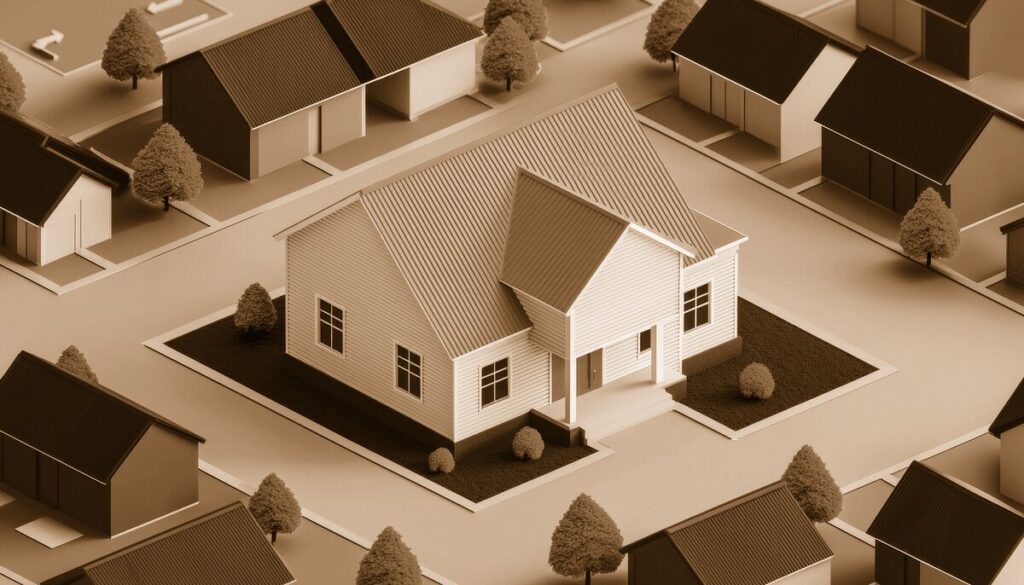
Introduction: Where History Meets Community
Nestled just southeast of downtown Dayton, the South Park neighborhood stands as one of the city’s crown jewels—a tapestry of rich history, resurgent architecture, and tightly-knit community spirit. As a resident for decades, I often tell newcomers that South Park isn’t just a place to live: it’s a living storybook, with each street, house, and park adding a chapter to Dayton’s vibrant legacy. Stepping into South Park, bordered roughly by Wyoming Street to the north, Wayne Avenue to the west, and Warren Street to the east, feels like traveling through time while enjoying the best of today’s community living.
Origin Story: Founding and Early Days
The roots of South Park stretch back to the mid-1800s—an era marked by Dayton’s rapid growth and transformation. Originally home to farmland and small estates, the neighborhood began developing in earnest following the extension of the city’s streetcar lines. Accessibility drew a surge of middle-class families, attracted by promises of gracious living, proximity to downtown, and plenty of green space. The streets—such as Oak Street, James Street, and Bonner Street—soon lined with stately brick homes and charming cottages, reflecting both Italianate and Victorian architectural influence.
But what about the name? South Park’s moniker comes from the expansive public park established in the heart of the neighborhood. The area around present-day Blommel Park and the famous South Park Green provided recreational space for generations of Daytonians—making “the park in the south” a fixture of daily life and central to the neighborhood’s identity.
Defining Milestones: Rebirth and Resilience
South Park’s journey through the decades mirrors Dayton’s own ebb and flow—enduring hard times, weathering change, and always coming back stronger. In the early 20th century, the area thrived as a middle-class enclave with bustling corner shops and electric streetcars clanging along its main arteries, especially on Bonner and Wayne Avenue.
The great flood of 1913, which devastated much of Dayton, left its mark on South Park as well—prompting a spirit of neighborly resilience still seen today. As Dayton sprawled outward post-World War II, the neighborhood weathered a period of decline: families moved to new suburbs, and some houses fell into disrepair. But South Park’s architectural bones remained strong, and its community ties never fully unraveled.
Starting in the 1970s, South Park ignited a grassroots renaissance. Residents banded together, forming the Historic South Park Incorporated, to protect and restore their legacy. Through tireless advocacy, the neighborhood earned a listing on the National Register of Historic Places in 1984. Grants and city reinvestment followed, fueling a wave of loving restorations and new arrivals who revered the past as much as the present.
Architectural Heritage: A Patchwork of Styles
Walk down Park Drive, Oak Street, or Nathan Place, and you’ll encounter a visual feast of preserved history. South Park is celebrated for its array of historic homes—over 900 structures showcasing Queen Anne, Italianate, Second Empire, and Craftsman styles. Many homes date to between the 1880s and 1920s, with vibrant facades, intricate woodwork, and welcoming porches.
Notable buildings and landmarks include:
- The Hope Lutheran Church on Hickory Street—its stonework and stained glass are a nod to the neighborhood’s deep spiritual roots.
- The Dietz Block on Wayne Avenue—once a lively commercial hub, now home to local businesses.
- Blommel Park—named after Erwin Blommel, a legendary local coach (and a reminder of South Park’s sporting traditions).
- The Old South Park School building—now lovingly restored as residences, but originally the heart of community education.
Parks and Public Spaces: Gathering in the Green
The green spaces that inspired South Park’s name remain vital. The “Park Drive Oval” at the neighborhood’s core is a cherished gathering place, shaded by mature trees and bordered by gracious homes. Residents old and new flock to Blommel Park and Margaret Park for picnics, festivals, or simply to enjoy the sunshine. On summer evenings, “Shakespeare in South Park” brings neighbors together for outdoor theater—a tradition that captures the magic of this friendly community.
The Modern Neighborhood: Revitalization and Pride
Today, South Park is proof that history and progress go hand in hand. The once-neglected homes are alive with color and care, and new businesses pop up along Wayne Avenue, lending fresh energy and convenience. The area’s turn-of-the-century charm attracts artists, young families, professionals, and longtime Daytonians alike.
Regular events, like spring porch concerts, communal clean-up days, and Oktoberfest celebrations, ensure that neighbors know each other by name. The Historic South Park neighborhood association remains active, preserving traditions while embracing change—a reason why South Park’s tree-lined streets hum with energy but never feel overcrowded.
What Makes South Park Enduringly Special
What draws people here—beyond the architecture and location—is the sense of belonging. Friendly waves on morning dog walks, impromptu block parties, and the warm glow from porch lights at dusk: these are markers of a place where people care deeply for their home and each other.
South Park’s story is one of transformation, stewardship, and joyful everyday life. It connects Dayton’s past to its future—one lovingly restored home, one park bench, and one neighborly smile at a time.
Conclusion: A Legacy Worth Celebrating
South Park isn’t just a Dayton neighborhood; it’s a testament to what happens when history is honored and community is cherished. Whether you’re new to the region or a lifelong resident, a stroll through South Park’s storied streets is sure to inspire a sense of pride in Dayton’s heritage and hope for its future. If you ever find yourself south of downtown, come see why so many residents, myself included, believe there’s simply no place like South Park.